Amali Premium
Seedless Tamarind (Imli) – Soft Pulp for Sambar, Chutney and Curries
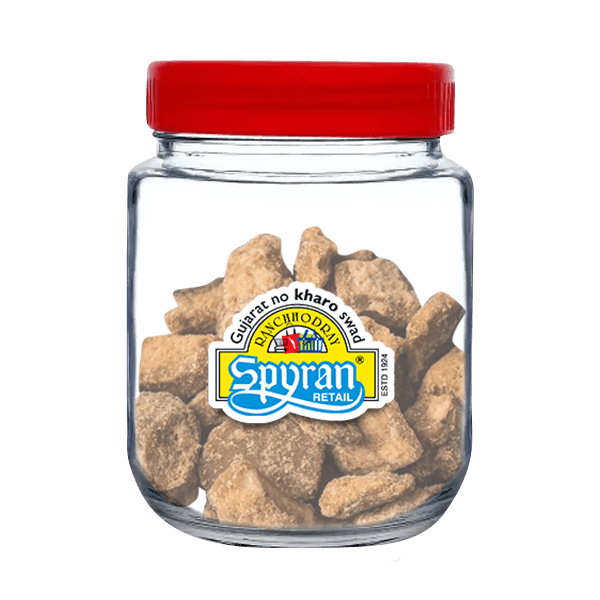
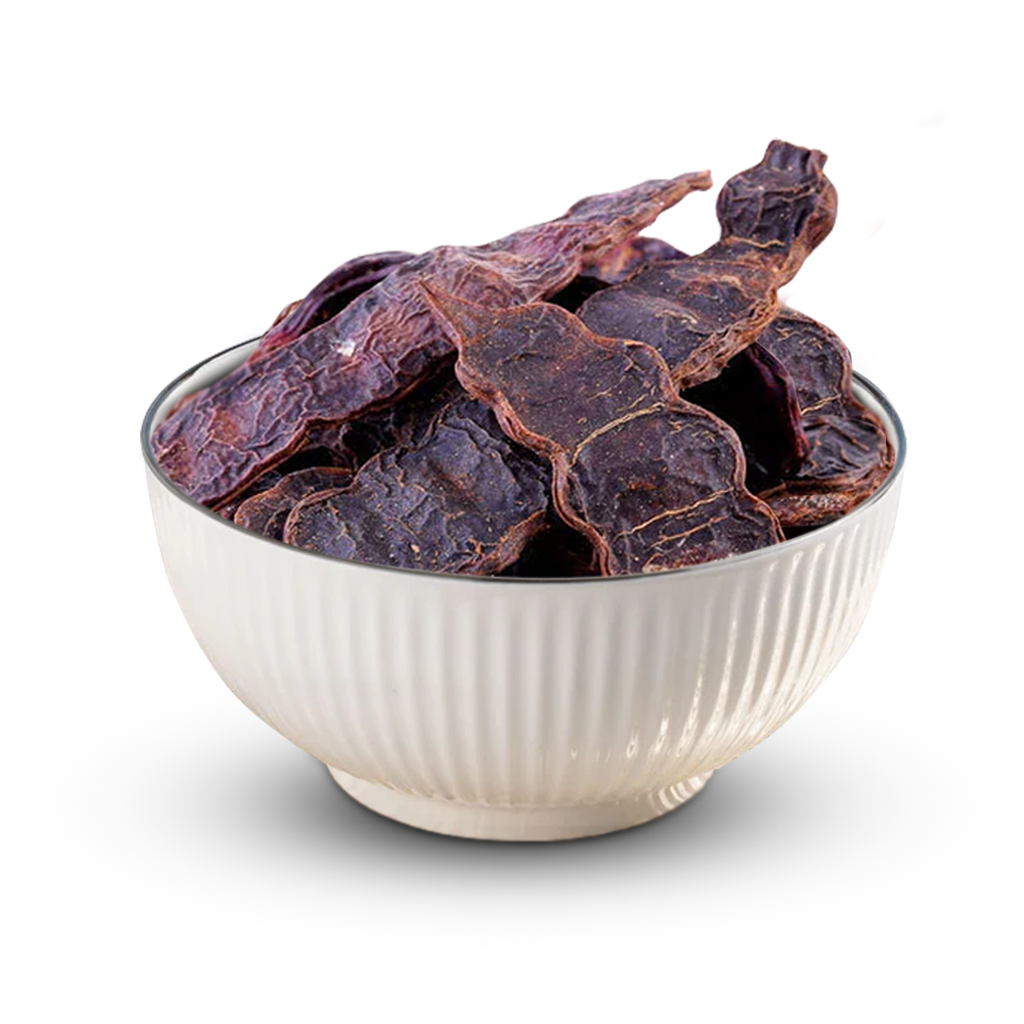
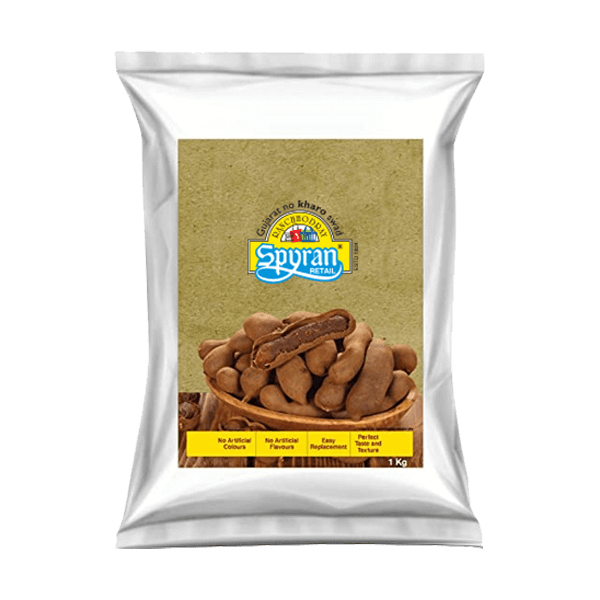
Tamarind is the souring agent most Indian cooking is built on. Soaked in warm water and squeezed, the sticky brown pulp releases a deep, slightly sweet sourness that no lemon or vinegar reproduces. It is what makes sambar taste like sambar. A small ball soaked in half a cup of water is enough for a full pot, which is why a 100 g pack lasts weeks even in a kitchen that cooks South Indian food regularly. Spyran amali is cleaned seedless tamarind pulp, soft and pliable, with seeds and fibre removed.
Available in 100 g, 250 g and 500 g packs with delivery across India.
Tamarind is called amali in Gujarati, imli in Hindi, puli in Tamil and chinch in Marathi. The tree grows across most of India, and the pods are harvested, shelled and the pulp pressed into blocks for sale.
The sourness comes from tartaric acid, and it behaves differently from other souring agents. Lemon is sharp and bright but disappears when cooked. Vinegar is harsh. Kokum is light and fruity. Tamarind is heavier, deeper and carries a faint sweetness underneath the sour, which is why it can hold its own in a long-simmered sambar or a thick chutney where a lighter acid would vanish.
That depth is also why it works in sweet applications. Imli chutney, panipuri water and tamarind rice all rely on the sweet-sour balance being present in the fruit itself rather than added.
Seedless tamarind saves the tedious part of using it. Blocks sold with seeds and fibre still in need picking out of the soaking water every time, which is why cleaned pulp is worth the small difference in price.
Texture tells you about quality. Good tamarind is soft, sticky and pliable, dark brown and easy to press with a thumb. Hard, dry, pale blocks are old or over-dried, and they give up much less pulp when soaked.
How to Identify Good Tamarind
- Dark brown colour, deepening toward reddish-brown
- Soft, sticky and pliable rather than hard or dry
- Presses easily under a thumb
- Clean sweet-sour smell with no fermented or musty note
- Minimal seeds, fibre and shell fragments
- No white surface film or hardened crust
Where Tamarind Is Used
- Sambar and rasam
- Imli chutney and panipuri water
- Tamarind rice and puliyodarai
- Gujarati dal and kadhi
- Vegetable curries and sabzi
- Chaat and street food
- Pickle masala
- Sweet and sour preparations
How to Use Tamarind
Making tamarind water, the standard method:
- Take a lemon-sized ball, roughly 20 to 25 g
- Soak in half a cup of warm water for fifteen to twenty minutes
- Squeeze thoroughly with the fingers until the water turns thick and brown
- Strain through a sieve, pressing the pulp to extract everything
- Add a little more water to the leftover pulp and squeeze again for a second extraction
Quantities by dish:
- Tamarind for sambar, serving four: a lemon-sized ball
- Rasam: half that, since rasam should be lighter
- Imli chutney: 100 g soaked and strained, cooked with gud and spices
- Tamarind rice: a thick concentrated extract rather than thin water
Speeding it up:
- Soaking in hot water cuts the time to five minutes, though the extract is slightly less flavourful
- Microwaving the soaked pulp for thirty seconds softens it further
Adding to a dish: stir the strained water in and let it simmer for at least five minutes. Raw tamarind water added at the end tastes sharp and unfinished.
Dishes That Use Tamarind
- Sambar and rasam
- Imli chutney and panipuri water
- Tamarind rice and puliyodarai
- Gujarati dal and kadhi
- Vegetable curries
- Chaat and street food
- Pickle masala
- Sweet and sour gravies
How to Store Tamarind
Tamarind holds moisture, which keeps it soft and also makes storage matter.
- Transfer to an airtight container after opening
- Keep in a cool, dry place away from sunlight and away from the stove
- Refrigerate during the monsoon or in humid weather, particularly the 500 g pack
- Always handle with clean dry hands, since moisture introduced into the block encourages mould
At room temperature, tamarind keeps for around six months. Refrigerated, closer to a year.
A white film sometimes appears on the surface. If it is dry and powdery it is usually crystallised sugar and harmless. If it looks fuzzy or smells sour and fermented, discard that portion.
If the block hardens over time, soak in warm water for longer and it will still give up its pulp.
Tamarind or Kokum: Which One to Use
Spyran stocks both, and they are not interchangeable in most coastal recipes.
Tamarind gives a heavy, deep sourness with a sweet undertone and a brown tint. It suits sambar, rasam, chutney, chaat and North Indian dishes where a full-bodied sourness is wanted.
Kokum gives a lighter, fruitier sourness and a pink colour, with no cloudiness in the liquid. It suits sol kadhi, Konkani fish curries and coastal cooking.
Using tamarind in sol kadhi turns the drink brown instead of pink, which is the clearest illustration of the difference.
Additional information
| Weight | 100 g, 250 g, 500 g |
|---|


Reviews
There are no reviews yet.