Hing Whole
Whole Hing (Asafoetida) – Solid Lumps for Strongest Aroma
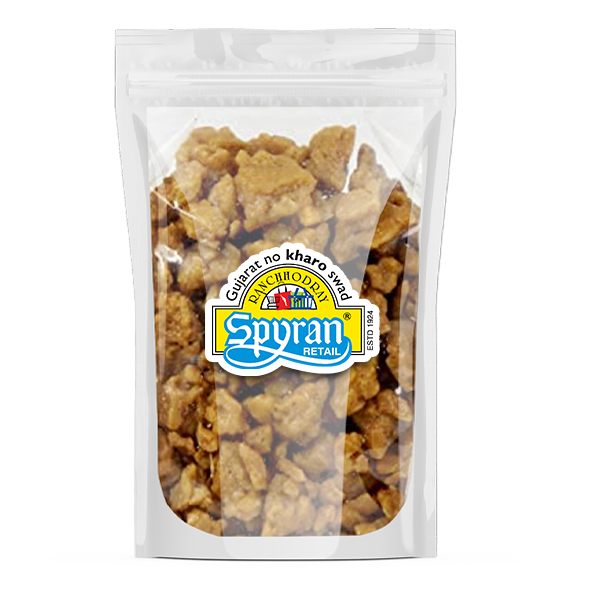
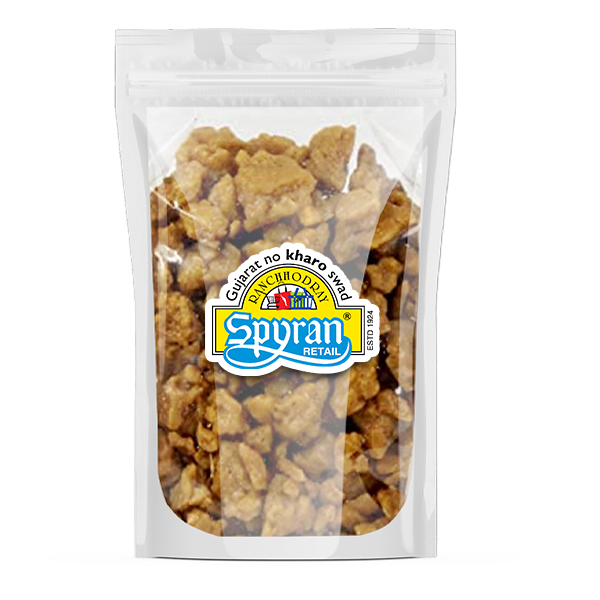
Whole hing comes as hard resin lumps rather than free-flowing powder, and that solid form is why it holds its strength far longer. Powder loses aroma steadily once opened. A lump keeps almost everything sealed inside until it is broken or grated. Crush a small piece into hot oil and the sharp sulphurous smell transforms within seconds into the savoury, onion-garlic depth that dal, kadhi and Gujarati cooking are built on. A little goes a very long way. Spyran hing whole is sorted solid pieces.
Available in 100 g and 250 g packs with delivery across India.
Hing, known as asafoetida in English and hingu in Sanskrit, is the dried resin tapped from the roots of the Ferula plant. Almost all of it reaches India from Afghanistan and Iran, though domestic cultivation has begun in Himachal Pradesh in recent years.
Raw resin is extraordinarily strong. In its undiluted state it is too harsh for normal cooking, which is why hing has always been sold in a compounded form, blended with a starch such as wheat or rice flour to make it usable. This is standard practice across the entire trade, not a shortcut.
The solid form is what separates this from powder. Hing\'s aroma comes from volatile sulphur compounds that begin escaping the moment the material is exposed to air. A powder has enormous surface area, so it fades within months. A hard lump has almost none, so it holds its strength for years. Anyone who has opened an old tin of hing powder and found it smelling of little has met this problem.
The transformation in hot oil is the point of the spice. On its own hing smells aggressively sulphurous. Hit hot ghee or oil and it turns savoury and rounded, closer to sautéed onion and garlic. This is why it is central to Jain and satvik cooking, where onion and garlic are avoided.
How to Identify Good Whole Hing
- Hard, solid lumps rather than soft or crumbly pieces
- Pale amber to reddish-brown colour
- Strong sulphurous aroma noticeable through the packaging
- Pieces that resist crushing and need effort to break
- No damp patches, stickiness or clumping
- Aroma that turns savoury and mellow when a fragment hits hot oil
Where Hing Is Used
- Dal and kadhi tadka
- Gujarati and Rajasthani cooking
- Sambar and rasam
- Jain and satvik dishes without onion or garlic
- Pickle masala
- Vegetable sabzi
- Papad and khakhra
- Chaat masala and spice blends
How to Use Whole Hing
Breaking it down:
- Crush a small piece with a stone pestle or the flat of a heavy knife
- Grate finer pieces with a small grater if a powder is needed
- Break only what is needed for a few weeks, keeping the rest as solid lumps
In a tadka:
- Heat oil or ghee until shimmering
- Add a pinch of crushed hing along with jeera and rai
- It dissolves and turns savoury within two to three seconds
- Add the dal, kadhi or sabzi immediately
Quantity: a pinch, roughly the size of a grain of rice when crushed, is enough for a dish serving four. Whole hing is considerably stronger than most compounded powders, so start with less than a powder recipe suggests.
Timing: hing must go into hot fat, not into water or a finished dish. Added dry to a cooked gravy it stays harsh and raw-tasting.
Storage between uses: keep crushed hing in a separate small container from the lumps, since the crushed form fades faster.
Dishes That Use Hing
- Dal tadka and kadhi
- Gujarati and Rajasthani cooking
- Sambar and rasam
- Jain and satvik preparations
- Pickle masala
- Vegetable sabzi
- Papad and khakhra
- Chaat and spice blends
How to Store Whole Hing
Hing is the strongest-smelling spice in most kitchens, and storage has to account for that as much as for freshness.
- Keep the lumps in an airtight container, ideally glass or steel rather than plastic, since plastic absorbs the smell permanently
- Store away from every other spice. Hing aroma transfers readily and will contaminate an open masala dabba
- Keep in a cool, dry place away from sunlight and away from the stove
- Break lumps only at the point of use
Stored as solid lumps in a sealed container, whole hing holds its strength for several years. This long life is what makes the 250 g pack practical despite the price.
The test is straightforward: crush a fragment. If the sharp sulphurous smell hits immediately, the hing is good. Weak or faint smell means it has been exposed to air too long.
Whole Hing or Hing Powder: Which One to Buy
Spyran stocks both, and the choice comes down to convenience against longevity.
Whole hing comes as solid lumps that must be crushed or grated before use. Stronger, and it holds its aroma for years because so little surface is exposed to air. Best for anyone who cooks with hing regularly and wants maximum strength.
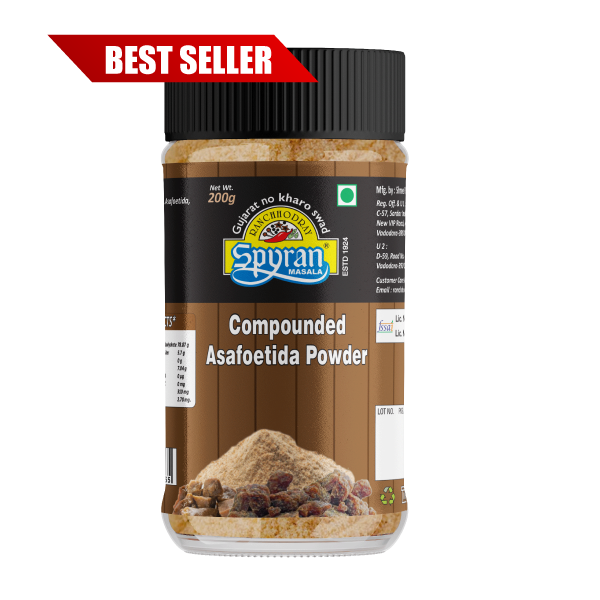
Hing powder is ready to use straight from the container with no crushing. More convenient for everyday cooking, though it fades faster once opened and is typically milder.
Additional information
| Weight | 100 g, 250 g |
|---|


Reviews
There are no reviews yet.